
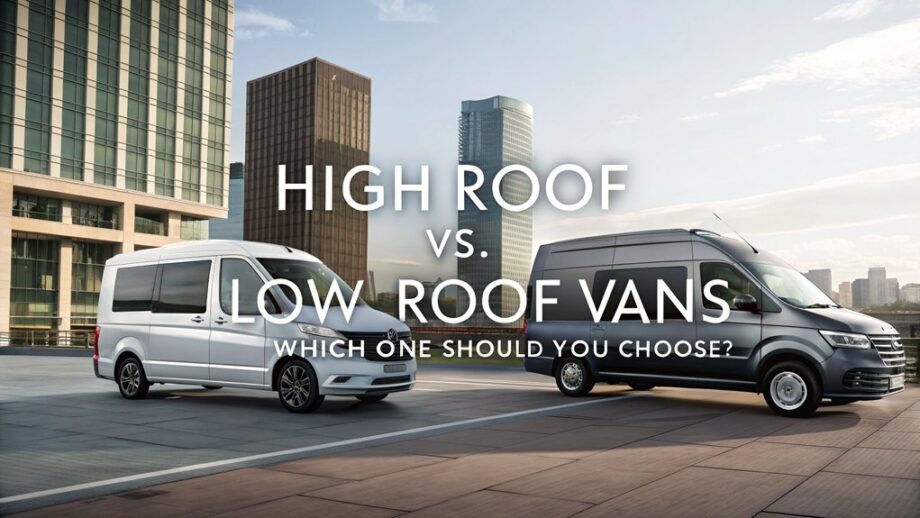
When choosing between high and low roof vans, consider your priorities. High roof vans offer standing room and are great for long-term conversions, but they can be less stable and fuel-efficient. Low roof vans are more aerodynamic, easier to park, and often cheaper. They’re ideal for urban driving and limited garage heights. Balance your need for space and comfort with cost and efficiency. Keep on exploring to discover the ideal van for your needs.
TLDR
- High roof vans offer more interior space, making them ideal for camper conversions or accessibility needs.
- Low roof vans provide better aerodynamics and fuel efficiency, suitable for frequent urban driving.
- Consider stability; high roof vans may struggle in windy conditions, while low roofs have better maneuverability.
- Parking is easier with low roof vans, which fit standard garages, unlike high roof vans.
- Budget-conscious buyers may prefer low roof vans due to lower purchase and maintenance costs.
Understanding Roof Height Variations
Why does the height of a van’s roof matter so much? When you consider high roof vans, their height ranges from 94 to 101 inches, offering ample standing room for most passengers. This makes them ideal for a variety of uses, especially if you’re looking to convert a van for long-term living or require accessibility modifications, like accommodating wheelchairs.
High roof models provide the flexibility to install entertainment systems, enhancing their appeal for custom conversions.
In contrast, low roof vans, with their 82 to 90 inches, might leave taller occupants crouching. However, high roofs can face challenges like clearance issues in standard garages and parking structures.
Choosing between them boils down to your priorities—do you value space and comfort, or is practicality more important?
Key Features of Low Roof Vans
When it comes to choosing a van, don’t overlook the key features that make low roof models a practical choice. A low roof van typically maintains a factory height between 82 and 90 inches, which enhances aerodynamics and boosts fuel efficiency.
You’ll find that parking is easier since these vans fit in standard garages without height restrictions. Their lower clearance also improves stability and maneuverability, especially in windy conditions or challenging driving situations.
Although the interior space might be limited for standing occupants over five feet tall, the trade-off is a lower initial purchase price and reduced maintenance costs. A simpler design and smaller surface area contribute to these savings, making a low roof van an economical and convenient option.
Benefits and Drawbacks of High Roof Vans
Although high roof vans aren’t without their challenges, they offer distinct advantages that can greatly enhance your driving experience. Their height, typically ranging from 94 to 101 inches, allows most passengers to stand comfortably—an essential feature if you’re mobility-impaired or desire easy movement inside.
The spacious interior is perfect for versatile uses like camper conversions, mobile offices, or entertainment setups.
However, the high roof design isn’t without its drawbacks. Their increased height can present stability issues in windy conditions, impacting your ride’s comfort.
Clearance can also be a concern, as these vans may struggle in low-clearance areas, limiting your route options. Additionally, the reduced aerodynamics often lead to lower fuel efficiency, which is a trade-off for the extra space.
Maneuverability and Parking Considerations
Maneuvering urban environments and parking structures often presents a challenge, particularly when you’re behind the wheel of a high roof van.
With heights ranging from 94 to 101 inches, high roof vans can struggle with low-clearance parking garages, making urban parking a bit of a hassle.
In contrast, low roof vans, typically between 82 to 90 inches, fit snugly into most standard garages. Their lower center of gravity offers better stability and handling, especially in tight spots or adverse weather conditions. This makes them an excellent choice for city driving.
While high roof vans provide more interior space, they require extra caution in low areas.
Impact on Fuel Efficiency and Aerodynamics
Despite the appeal of extra interior space, the towering height of high roof vans can greatly affect fuel efficiency and aerodynamics. With heights ranging from 94 to 101 inches, high roofs face increased wind resistance, impacting fuel efficiency. In contrast, low roof vans, typically 82 to 90 inches tall, boast better aerodynamics, enhancing fuel economy by up to 10%.
| Feature | Low Roof Vans |
|---|---|
| Height | 82 to 90 inches |
| Fuel Efficiency | Up to 10% better |
| Aerodynamics | Less wind resistance |
Low tops are adept in adverse weather, maintaining fuel economy. High roof vans, though offering more interior space, sacrifice efficiency due to greater wind resistance and added weight. Opt for a low roof if fuel savings are a priority.
Interior Space and Standing Room
Consider the importance of interior space and standing room when selecting the right van for your needs. High roof vans typically offer interior heights between 94 and 101 inches, letting most passengers stand comfortably.
This feature is essential if you prioritize mobility and space for activities like cooking or moving around. The extra height in high roof models enhances versatility, allowing for more entertainment options and innovative storage configurations. If you’re taller, this can greatly influence your comfort and the van’s functionality.
Conversely, low roof vans, with heights ranging from 82 to 90 inches, may limit standing room but offer better aerodynamics, potentially improving fuel efficiency.
Decide how important standing room is for your lifestyle and activities before choosing.
Accessibility and Mobility Needs
When evaluating the accessibility and mobility needs for van selection, high roof models often stand out as the superior choice. They provide ample interior space that allows most passengers, including wheelchair users, to stand comfortably.
With heights ranging from 94 to 101 inches, high roof vans offer more headroom and flexible configurations for mobility equipment. You’ll find features like wider door openings and custom layouts, making access to seating and storage a breeze.
In contrast, low roof vans usually limit occupant comfort, especially for individuals over five feet tall or those needing assistance. By choosing a high roof design, you’re enhancing the travel experience for mobility-impaired individuals, ensuring ease of movement and comfort without the constraints of a low roof.
Cost Implications and Budget Considerations
While high roof vans excel in meeting accessibility needs, it’s important to weigh the cost implications and budget considerations that come with them.
If you’re considering a low roof option, you’ll likely enjoy a lower initial purchase price. This is primarily due to reduced material costs associated with a smaller surface area compared to high roof models.
Furthermore, maintenance and service expenses tend to be more affordable for low roof vans, as they generally require less work.
- Low roof vans allow quicker access to road-ready vehicles, avoiding the high roof modification expenses.
- They offer lower shipping costs for international travel, thanks to reduced height.
- Resale value might be impacted since low roof vans could attract fewer buyers needing standing room, affecting long-term market demand.
Tips for Choosing the Right Van for Your Needs
How do you determine the best van to suit your specific needs? Start by considering your intended use. If you plan on long trips or living in your van, a high roof offers more interior space and standing room, making it a practical choice.
However, for everyday driving and easy parking, a low roof van might be more suitable. Your height also plays a role; taller individuals might find a high roof necessary, while shorter drivers can opt for mid or low roof options.
Don’t forget clearance requirements—low roof vans navigate tight spaces better. Additionally, they usually offer better fuel efficiency.
Finally, consider resale value; high roof vans often attract a broader market, potentially boosting their resale appeal.
Frequently Asked Questions
What Are the Disadvantages of a High Roof Van?
You’re considering high roof vans, but remember, they reduce fuel efficiency and struggle with clearance in low areas. They’re pricier, harder to maneuver in wind, and might not fetch a good resale value. Choose wisely!
Is a High Roof Better Than a Low Roof?
Choosing a high roof van is like selecting a spacious loft over a cozy studio. You’ll enjoy standing room and extra storage, but consider handling challenges and fuel efficiency. Weigh space needs against practical driving concerns.
Is a High Roof Van Worth It?
You should consider if a high roof van’s benefits like added interior space and versatility outweigh its drawbacks, such as reduced fuel efficiency and clearance issues. If space and comfort are priorities, it’s definitely worth it.
What Is the Most Reliable Used Conversion Van?
You should consider the Chevy Express and Ford Transit for reliability, both offering strong engines and diverse features. Always check maintenance records and previous usage to guarantee you’re getting a well-maintained van that suits your needs.
Conclusion
Choosing between a high roof and a low roof van might seem intimidating, but think about your needs. Will you benefit from the spaciousness and comfort of a high roof, or is the agility and economy of a low roof more appealing? Consider maneuverability, fuel efficiency, and cost. The right choice can transform your journey. So, which path will you take? The answer awaits, and it could redefine how you travel and work, revealing possibilities you never imagined.